A WordPress website development agency should do more than give your business a new look. For a local service company, startup, or established brand, your website needs to turn searches into calls, form submissions, booked consultations, and qualified opportunities. If it looks polished but loads slowly, buries key services, or leaves prospects unsure what to do next, it is not pulling its weight.
That is why the right agency decision is not simply about choosing a design style or comparing a few project quotes. It is about building a digital foundation that supports how customers find you, evaluate you, and take action.
What a WordPress Website Development Agency Should Deliver
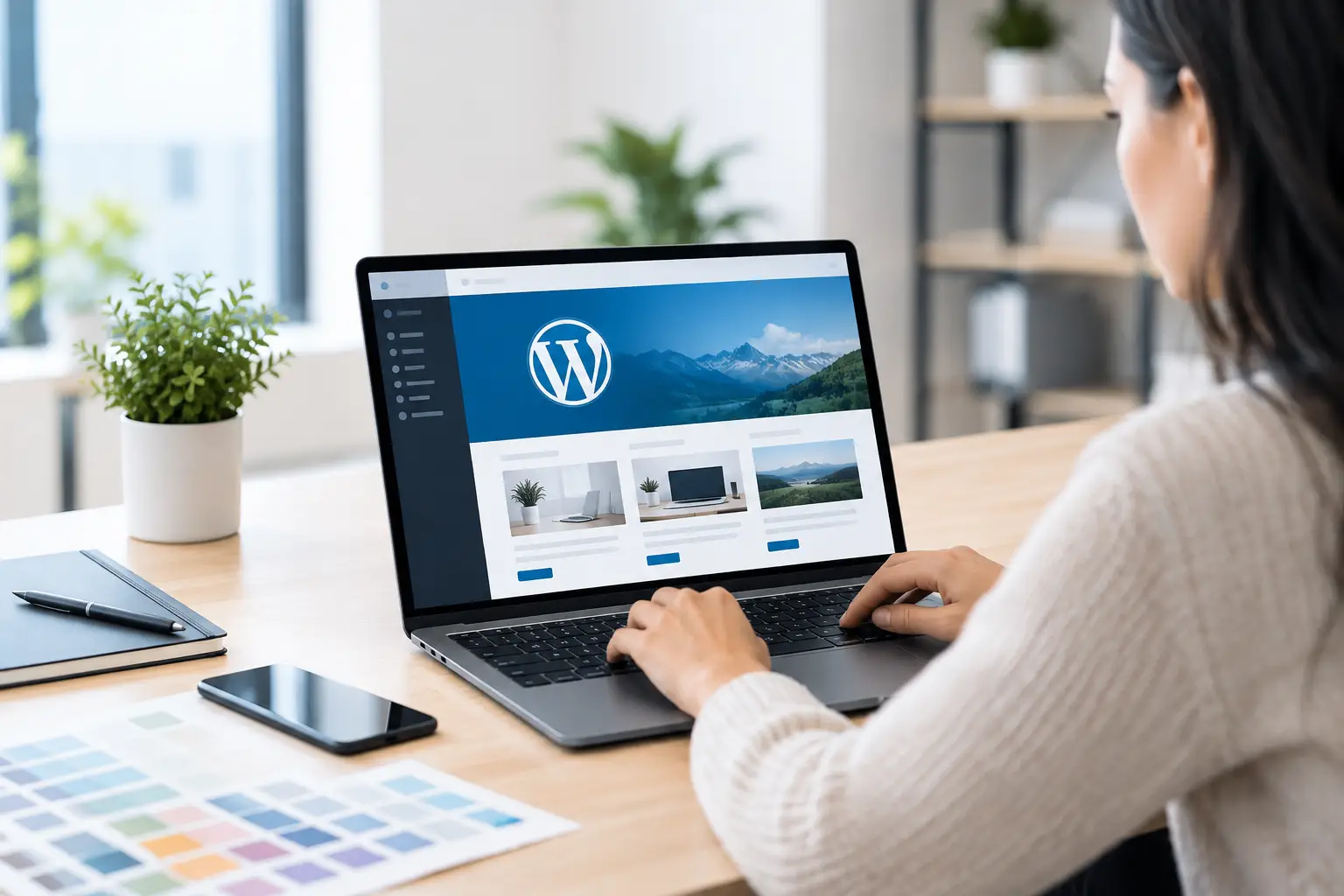
WordPress is a flexible platform, but flexibility alone does not create growth. The platform can support a simple five-page local business site, a content-driven lead generation engine, or a complex website with custom functionality. The right build depends on your goals, your sales process, and the level of ongoing marketing support you need.
A strong agency starts with those business questions before it starts designing pages. Which services generate the best margins? Which locations matter most? Do leads call immediately, request a quote, or need a follow-up sequence? Are you trying to improve Google visibility, support paid campaigns, establish credibility for a new brand, or all of the above?
The answers shape the site architecture. A contractor may need dedicated service-area pages, proof of local work, click-to-call buttons, and a fast estimate form. A professional firm may need stronger case studies, clear positioning, and consultation pathways. An ecommerce business may need product filtering, reliable checkout performance, and an ad-ready landing page strategy.
The deliverable should be a site that is easy for customers to use and practical for your team to manage. That includes responsive layouts for phones and tablets, clear navigation, conversion-focused calls to action, foundational on-page SEO, analytics setup, security considerations, and a handover process that does not leave you dependent on guesswork.
Website Design Is Only One Part of the Job
Many businesses inherit a common problem: a website built in isolation from the rest of their marketing. The designer finishes the project, the ad specialist sends traffic somewhere else, and the SEO provider works around page structures they did not help plan. The result is fragmented activity and unclear accountability.
A growth-focused WordPress build connects those pieces from the beginning. Service pages can target the language customers use in Google searches. Paid media campaigns can point to focused landing pages rather than a generic homepage. Forms can route into a CRM or automated follow-up process. Call tracking and analytics can show which channels are producing real inquiries, not just visits.
This does not mean every business needs a highly customized system on day one. A startup may be better served by a focused, fast-to-launch website with room to expand. A company already investing heavily in Google Ads and local SEO may need a more detailed build that supports campaign segmentation, location pages, review proof, and conversion testing. The key is matching the scope to the growth stage.
How the Right Agency Plans for Leads
The best websites reduce friction at every point of the buyer journey. Visitors should quickly understand what you do, who you serve, why you are credible, and how to take the next step. That sounds basic, but many websites make potential customers work too hard to find essential answers.
A practical strategy usually begins with page priorities. Your homepage should establish your value quickly, but it should not carry the full burden of explaining every service. Dedicated service pages give customers and search engines the detail they need. Location pages can strengthen relevance in the markets you serve when they contain useful, genuinely local information rather than repeated copy with a city name swapped out.
Trust also needs to be designed into the experience. Reviews, project photos, credentials, recognizable clients, guarantees where appropriate, and clear process explanations can all help. The right proof depends on your industry. A home services business may benefit from before-and-after work and fast scheduling prompts. A B2B firm may need detailed results, expertise signals, and a lower-pressure consultation offer.
Then comes conversion. Every page should have a logical next action, whether that is calling, requesting a quote, scheduling a consultation, downloading information, or starting an order. Too many competing calls to action can weaken results. A good agency helps decide which action matters most on each page and keeps the experience focused.
Performance and SEO Cannot Be Afterthoughts
A visually impressive site that takes too long to load can cost you leads. Slow pages increase abandonment, particularly on mobile devices where local customers often search with immediate intent. Large uncompressed images, unnecessary plugins, weak hosting, and overbuilt themes are frequent causes.
A capable WordPress partner plans for performance early. That may include image optimization, careful plugin selection, clean development practices, caching, mobile testing, and Core Web Vitals improvements. Not every feature is worth the speed trade-off. A dramatic animation or third-party widget can look impressive in a presentation but create friction for a customer trying to contact you from a phone.
SEO requires the same discipline. Your site should have crawlable page structures, purposeful titles and headings, internal page relationships, local relevance where applicable, and content that answers the questions customers actually ask. Technical cleanup matters, but it is not a substitute for clear messaging and useful service information.
For businesses that depend on local visibility, the website should also support the broader local search system. Your business details need to align with your Google Business Profile and core directories. Location and service information should be accurate. Review generation, local content, and ongoing optimization need to work together rather than operate as separate checkboxes.
Questions to Ask Before You Hire
A website proposal can sound comprehensive while leaving major gaps. Ask how the agency will define success, how content and approvals will be handled, what is included in the scope, and what happens after launch. Clear answers now prevent expensive surprises later.
You should also ask who owns the website, domain, creative assets, and account access. Your business should retain control of the assets it pays for. Confirm the project timeline, feedback stages, revision process, and the responsibilities on both sides. Projects often slow down because content, images, or approvals are not planned early enough.
Look beyond a portfolio screenshot. Ask how the agency approaches mobile conversion, page speed, SEO foundations, tracking, lead routing, and post-launch support. A site may look excellent, but if the team cannot explain how it will produce measurable business value, the strategy is incomplete.
Pricing deserves direct discussion too. The cheapest build can become expensive if it needs a rebuild within a year, lacks key functionality, or creates ongoing maintenance problems. At the same time, not every business needs an enterprise-level custom solution. A transparent agency will explain the trade-offs, recommend the right level of investment, and define what is and is not included.
Build the Website Around the Next Stage of Growth
Your website should not be a static brochure you revisit only when it feels dated. It should be a working part of your acquisition system: a destination for search traffic, a conversion point for ads, a proof platform for referrals, and a source of insight into what customers want.
That requires ongoing attention after launch. Review which pages generate inquiries, where visitors drop off, which searches create qualified traffic, and whether calls and forms are being answered quickly. Small improvements to page messaging, form flow, local content, or follow-up can make a meaningful difference without rebuilding the entire site.
Digital Best Practice approaches WordPress development as part of a connected growth plan, bringing website design, local SEO, paid media, creative, reporting, and automation into one accountable strategy. That matters when you want more than a finished website. You want a system built to support what happens next.
Choose a partner that asks hard questions about your goals, gives you a clear scope and timeline, and builds with your customers in mind. The right website does not simply represent your business online. It gives your next customer a compelling reason to contact you now.