


-
Email
hello@digitalbestpractice.com -
Phone
(909) 631-8152 -
Address
14726 Ramona Ave, Chino, CA 91710
Phone
(909) 631-8152Address
14726 Ramona Ave, Chino, CA 91710Copyright © 2026 Digital Best Practice All Rights Reserved
A homeowner searching “emergency plumber near me” is not looking for a marketing lesson. They want a trusted business that answers the phone, shows up nearby, and makes it easy to take the next step. That is where the choice between organic search versus paid ads becomes a real growth decision, not just a budget line item.
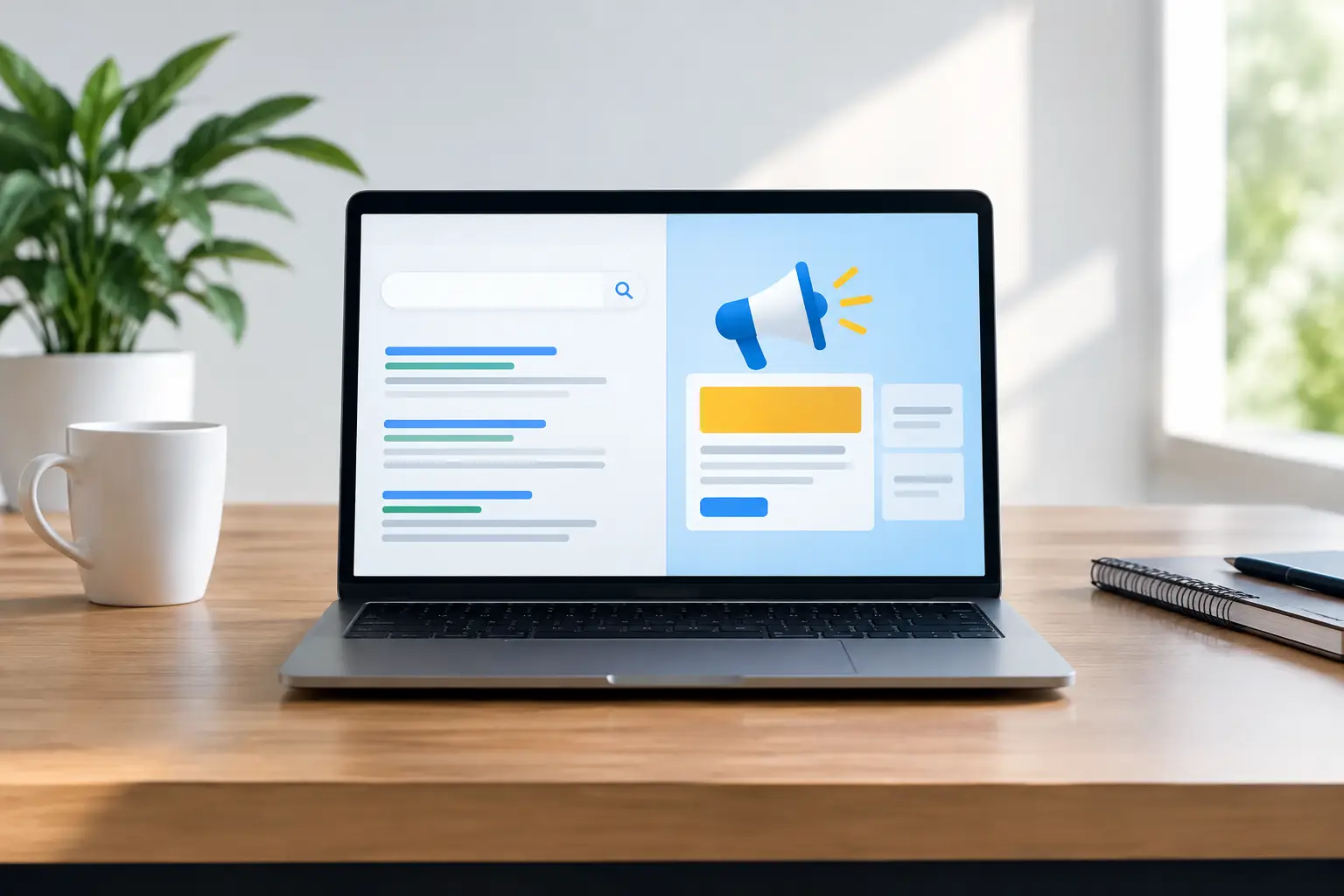
Both channels can produce calls, form submissions, booked appointments, and sales. They work differently, though. Paid advertising can put your offer in front of ready-to-act prospects this week. Organic search builds the visibility and credibility that keep generating demand long after a campaign has launched.
For most local and growing businesses, the strongest answer is not choosing one forever. It is knowing what each channel should do, when to prioritize it, and how to connect both to a website and lead process built to convert.
Organic search is the unpaid visibility you earn in Google’s regular results, local map pack, and business listings. It comes from a technically sound website, useful service pages, location relevance, accurate business information, reviews, content, and authority signals. You do not pay Google each time someone clicks an organic result.
Paid ads are placements you buy through platforms such as Google Ads and Meta. On Google Search, your ad can appear for high-intent searches based on keywords, location, schedule, audience settings, and budget. You generally pay when someone clicks, calls, or completes another defined action, depending on the campaign type.
The distinction matters because paid media rents attention. Turn off the budget and that visibility usually stops. Organic search is an owned growth asset. It takes longer to build, but the right work can compound across dozens of searches, service areas, and customer questions.
That does not make organic automatically better. A new HVAC company entering a competitive California market may need leads now, before its website has earned meaningful rankings. A well-managed paid campaign gives that business a route to immediate demand while local SEO creates a more durable pipeline.
Paid search is built for speed and control. You can launch a focused campaign around profitable services, restrict it to a service radius, prioritize business hours, and direct prospects to a page designed for one action: call, request an estimate, or book a consultation.
This is especially valuable when your business has a short-term commercial need. Perhaps you are opening a new location, promoting a seasonal service, filling a schedule gap, testing a new offer, or competing in a market where established companies already dominate organic results.
A properly structured campaign can start collecting useful data within days. You can see which search terms drive calls, what neighborhoods convert, which services attract qualified leads, and whether your landing page is doing its job. That feedback is valuable beyond advertising. It can shape service-page priorities, sales messaging, and the local SEO terms worth pursuing.
Paid media also gives you control over the message. Organic listings are influenced by Google’s systems and page relevance. Ads allow you to highlight financing, same-day availability, a limited offer, years of experience, or a clear differentiator before a prospect even reaches your website.
The trade-off is cost and ongoing management. A click is not a customer. If your website is slow, your form is difficult to use on mobile, your call tracking is missing, or no one follows up promptly, ad spend can disappear without delivering a healthy return. Competitive industries can also carry high click costs, especially for legal, home services, healthcare, and financial searches.
Paid ads work best when they are connected to conversion fundamentals: a clear offer, focused landing page, accurate tracking, call handling, and a realistic budget based on your market. More traffic does not fix a weak lead journey.
Organic search is slower because Google needs evidence that your business is relevant, credible, and useful for a search. For a local business, that evidence includes a well-built site, complete Google Business Profile, consistent directory information, genuine reviews, service-area relevance, quality content, and strong technical performance.
The payoff is broader than a single campaign. One strong service page may rank for dozens of related searches. A well-optimized Google Business Profile can create calls from map searches. Helpful location content can support visibility in the cities you serve. Improvements to site speed and mobile experience can help both rankings and conversion rates.
Businesses often call SEO free because there is no charge per click. The traffic itself is not billed, but earning it requires investment. Someone needs to research search demand, improve pages, manage listings, build local relevance, monitor technical issues, create useful content, and report on outcomes.
There is also less immediate certainty. Rankings can take months to improve, particularly in a competitive market or on a new domain. Google’s results change, competitors invest, and no ethical agency can promise a number-one ranking for every keyword.
Still, organic visibility often becomes more efficient over time. Once pages earn traction, your cost per lead may improve because you are not paying for every visit. It also builds trust. Many prospects scroll past ads, compare businesses, read reviews, and return through an organic listing before they contact anyone.
The right channel depends on the business goal, not on broad claims that one is always superior.
Paid ads are typically faster. They are useful when you need measurable lead volume now, have a defined service to promote, and can fund ongoing testing. They provide strong control over targeting and messaging, but performance depends on budget, account quality, competition, and conversion tracking.
Organic search takes more patience. It is better suited to building market presence, lowering dependency on paid clicks, supporting multiple services and locations, and earning visibility that continues beyond a monthly media spend. It offers less control over exactly when you rank, but more potential for durable value.
Trust is more nuanced. Some buyers click ads because they are prominent and relevant. Others trust strong organic positions because they see them as earned. The best local results often combine both: a polished ad for urgent demand, a credible organic listing, positive reviews, and a website that reinforces the same promise.
A startup with little search presence may allocate more budget to paid media while establishing its website, business listings, review process, and core local SEO foundation. The goal is not to run ads forever without building equity. It is to use immediate lead generation to support growth while organic visibility gains traction.
An established local company with strong map visibility may use paid ads more selectively. It might protect high-value searches, target a newly added service, expand into an adjacent city, or retarget visitors who did not contact the business the first time.
Businesses with limited budgets should avoid spreading spend across every platform at once. Start with the services that produce the best margins and the searches that show the clearest purchase intent. Track qualified calls, booked jobs, cost per lead, lead-to-sale rate, and revenue where possible. Clicks and impressions matter, but they are not the finish line.
Organic and paid performance improve when the foundation is unified. Ads should lead to fast, mobile-ready pages with clear calls to action. SEO pages should answer the questions prospects actually ask and make it simple to call or request service. Your Google Business Profile, directories, website, reviews, and ad messaging should all show the same accurate business details and brand promise.
Reporting should connect activity to outcomes. If paid search produces a high volume of calls but few qualified jobs, investigate the search terms, targeting, offer, landing page, and follow-up process. If organic traffic rises but inquiries do not, assess page intent, service positioning, speed, and contact paths. Growth comes from making informed adjustments, not from treating channel reports as separate scorecards.
Digital Best Practice approaches this as one connected growth system: visibility, creative, website performance, paid acquisition, local presence, and lead conversion working from the same plan. That creates clearer accountability and fewer gaps between the click and the customer conversation.
The most productive next step is to look at your current demand, not a generic channel preference. If your phones need to ring this month, paid ads may deserve immediate attention. If you are tired of paying for every opportunity, organic search deserves consistent investment. Build the foundation, measure what becomes revenue, and let each channel earn its place in your growth plan.
Let’s turn your digital presence into measurable business growth.
We build trusted relationships through transparency of our work.
This will close in 0 seconds