



-
Email
hello@digitalbestpractice.com -
Phone
(909) 631-8152 -
Address
14726 Ramona Ave, Chino, CA 91710
Phone
(909) 631-8152Address
14726 Ramona Ave, Chino, CA 91710Copyright © 2026 Digital Best Practice All Rights Reserved
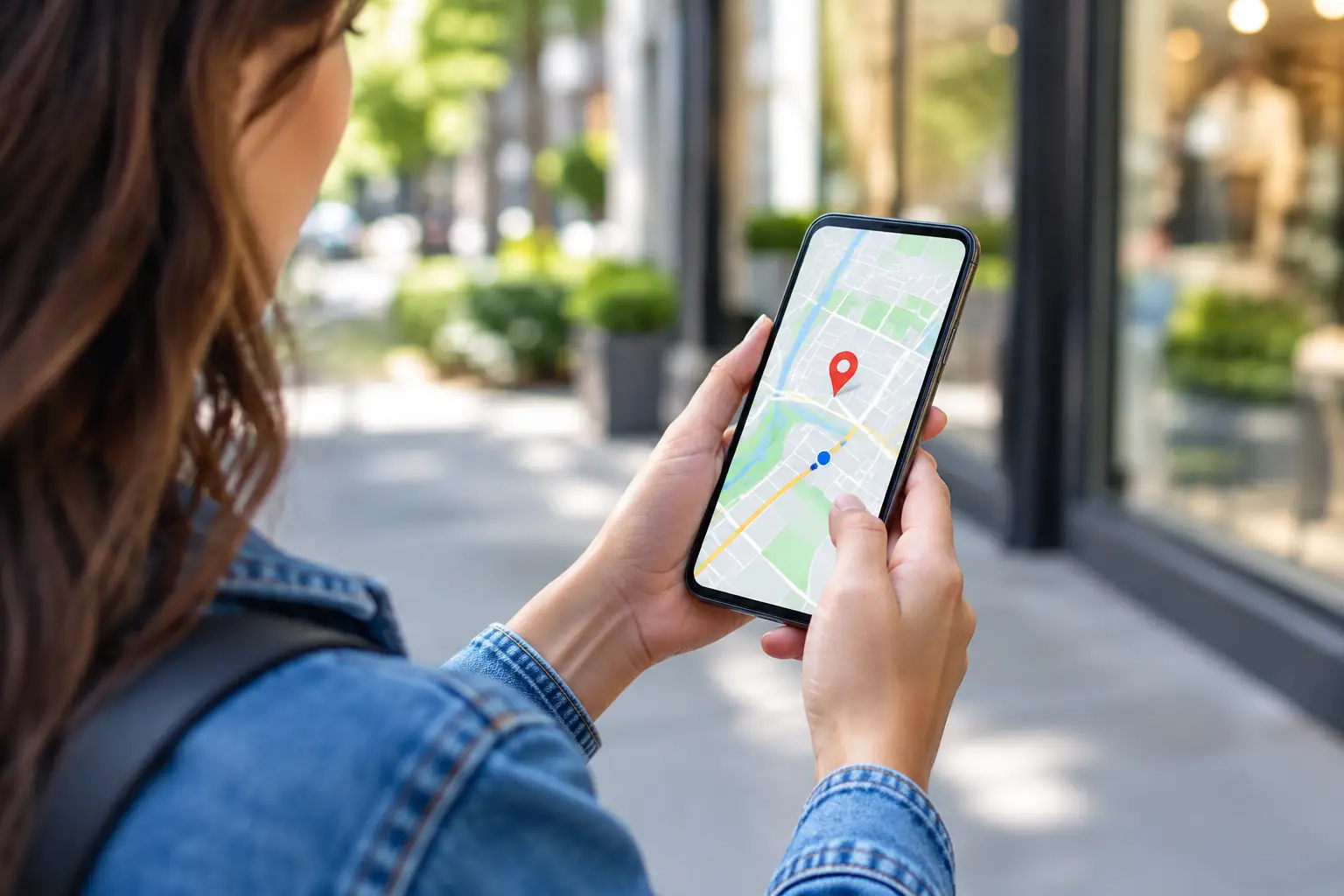
A customer searching for a nearby plumber, dental office, contractor, or attorney is rarely looking to browse. They are looking to call, request a quote, or get directions. This Google Maps visibility guide focuses on the actions that help your business appear when that high-intent search happens – and turn visibility into qualified local leads.
Google Maps rankings are not won by one profile edit or a larger review count alone. Google evaluates how relevant, prominent, and close your business appears for a specific search. The businesses that gain ground consistently connect accurate business information, a trustworthy website, active reputation management, and a clear local growth plan.
Google maps results are personalized by location, search intent, device, and competition. A person searching “emergency electrician” from three miles away may see a different map pack than someone searching from across town. You cannot control every result, but you can give Google strong, consistent evidence that your business is a credible match.
Relevance is about whether your business information matches what a customer needs. Your primary category, services, business description, website content, and customer reviews all help communicate that match. If you are a roofing company, for example, your profile and site should make it clear whether you serve residential repairs, commercial roofing, storm damage work, or all three.
Distance is the factor many businesses misunderstand. You cannot optimize your way around geography for every search. A business with one physical location may rank strongly near its address and less often farther away. The practical response is not to create misleading locations. It is to define realistic service areas, strengthen relevance for priority services, and build a website that supports the markets you genuinely serve.
Prominence reflects how established and trusted your business appears online. Reviews, local citations, website authority, brand searches, media mentions, and engagement all contribute. This is why a complete local strategy outperforms a profile that is updated once and then ignored.
Your Google Business Profile is the central asset for Maps visibility. Claim it, verify it, and treat it as an active sales channel rather than a directory listing.
Start with the basics. Use your real-world business name exactly as customers know it. Do not add service keywords, city names, or promotional language to the business name unless they are part of your legal, customer-facing name. Keyword stuffing may seem attractive in a competitive market, but it creates compliance risk and can trigger edits or suspensions.
Choose the most accurate primary category. This decision carries more weight than adding a long list of secondary categories. A primary category should describe what the business is, while secondary categories can reflect meaningful supporting services. Review competitor categories for context, but do not copy them blindly. The right choice depends on your actual service model and the leads you want to generate.
Complete every applicable profile field: phone number, website, regular hours, holiday hours, appointment details, service areas, accessibility information, services, and business attributes. Accuracy matters more than volume. A 24-hour emergency service should not display standard office hours if customers can reach a live team after hours.
Add current, authentic photos that show what customers can expect. Exterior images help people find a location. Interior, team, equipment, completed-work, and product photos help build confidence. For service-area businesses without a customer-facing office, focus on real work, vehicles, team members, and credible proof of service rather than trying to imply a storefront.
A Google Business Profile does not replace a strong website. Google can use the information on your site to better understand your services, locations, and credibility. More importantly, a website gives visitors somewhere useful to go after they find you.
Build focused pages around the services that drive revenue. Each page should explain the problem you solve, who it is for, what the process looks like, and how to contact you. Add genuine local context where it helps the customer, such as areas served, project examples, or local regulations. Avoid producing dozens of nearly identical city pages with swapped place names. Thin location content rarely creates lasting visibility and can make the site less useful.
Mobile performance is equally important. Most Maps searches happen on phones, where a slow page, difficult form, or buried phone number can waste the lead you worked to earn. Make calls, quote requests, and appointment options obvious. Track them so you know which services and campaigns are producing actual opportunities.
Reviews are a conversion asset first and a ranking signal second. A steady flow of detailed, genuine feedback tells potential customers that your business is active and accountable. The goal is not to pressure every customer for a five-star review. The goal is to make it easy for satisfied customers to share an honest experience.
Ask at the right moment – after a completed job, successful appointment, purchase, or positive support interaction. A simple follow-up text or email can work well when it is part of the customer journey. Do not offer discounts, gifts, or incentives in exchange for reviews, and do not use review gating that only invites happy customers to leave public feedback.
Respond to reviews consistently. Thank positive reviewers with a specific, human reply. Address negative reviews calmly, without sharing private details or arguing in public. A thoughtful response cannot erase a poor experience, but it shows future customers how your business handles problems.
Your business details should also remain consistent across major directories, industry platforms, social profiles, and local listings. Inconsistent names, phone numbers, addresses, or hours create friction for customers and uncertainty for search engines. Directory management is not glamorous, but it is foundational work for businesses with fragmented online footprints.
An inactive profile sends no useful signal to a potential customer deciding between you and a competitor. Regular activity helps keep your information accurate and gives people more reasons to choose your business.
Use Google Business Profile updates to promote seasonal services, new offerings, event participation, timely advice, or limited availability. Add fresh photos from real jobs and projects. Keep services organized and update hours before holidays. These actions will not substitute for relevance, reviews, or a strong website, but together they support a profile that looks current and cared for.
For businesses with multiple locations, local activity requires more discipline. Each profile needs its own correct hours, phone number, photos, reviews, and location-specific details. Centralized oversight is helpful, but copying the same content everywhere can create weak, generic listings. Standardize the process, not the customer-facing details.
A top-three Maps position feels like success, but rankings alone do not pay the bills. Measure what happens after visibility improves: phone calls, direction requests, website visits, form submissions, booked appointments, and revenue where tracking allows.
Use a reporting setup that separates branded searches from non-branded discovery. If people search your company name and find you, that is valuable. But growth usually comes from appearing for service searches made by people who do not know your brand yet. Track priority keywords across the areas that matter most, rather than relying on one search from your own office.
Watch for patterns. If visibility rises but calls do not, your categories, reviews, photos, offer, or website conversion path may need attention. If calls increase but lead quality falls, refine your service descriptions, ad targeting, or intake process. Local SEO works best when it is connected to follow-up, sales, and reporting instead of treated as a monthly ranking report.
Organic Maps visibility takes time, especially in crowded categories such as legal, home services, healthcare, and real estate. Google Ads can provide immediate exposure while local SEO builds momentum. The trade-off is cost: paid visibility stops when the budget stops, while organic authority can compound over time.
The strongest approach is often coordinated. Use paid campaigns for urgent, high-value services and competitive territories. Use local SEO to strengthen your long-term presence, improve conversion assets, generate reviews, and reduce dependence on paid clicks. One team managing the website, profile, ads, content, and lead tracking can spot the gaps that isolated vendors often miss.
Digital Best Practice helps businesses connect those moving parts into a measurable local growth system. Start with the fundamentals, make every customer interaction easier, and review the data often. The next customer searching nearby should find a business that is accurate, trusted, easy to contact, and ready to help.
Let’s turn your digital presence into measurable business growth.
We build trusted relationships through transparency of our work.
This will close in 0 seconds